Case studies of Flexible Growing SME
How Growing SMEs Use Flexible Offices to Work Smarter
For many small and medium-sized businesses, the question is no longer if they need an office but what kind of office actually supports the way they work.
The reality: teams are more mobile, more hybrid and more project-driven than ever before. A traditional office often creates more friction than value.
At Tessinerplatz, we see a different approach emerging. Here are three real-life examples of how SMEs use flexible office setups to stay efficient, professional and scalable.

Emanuel Forny
Co-Founder
Case 1: The consulting Team - 8 People, 2 Desks
An 8-person team that spends most of their time on-site with clients made a deliberate choice: instead of renting a large office, they use a 2-person private office as their base.
When they are not at client offices or working from home, team members drop in, use the office for focused work, calls or quick internal alignment.
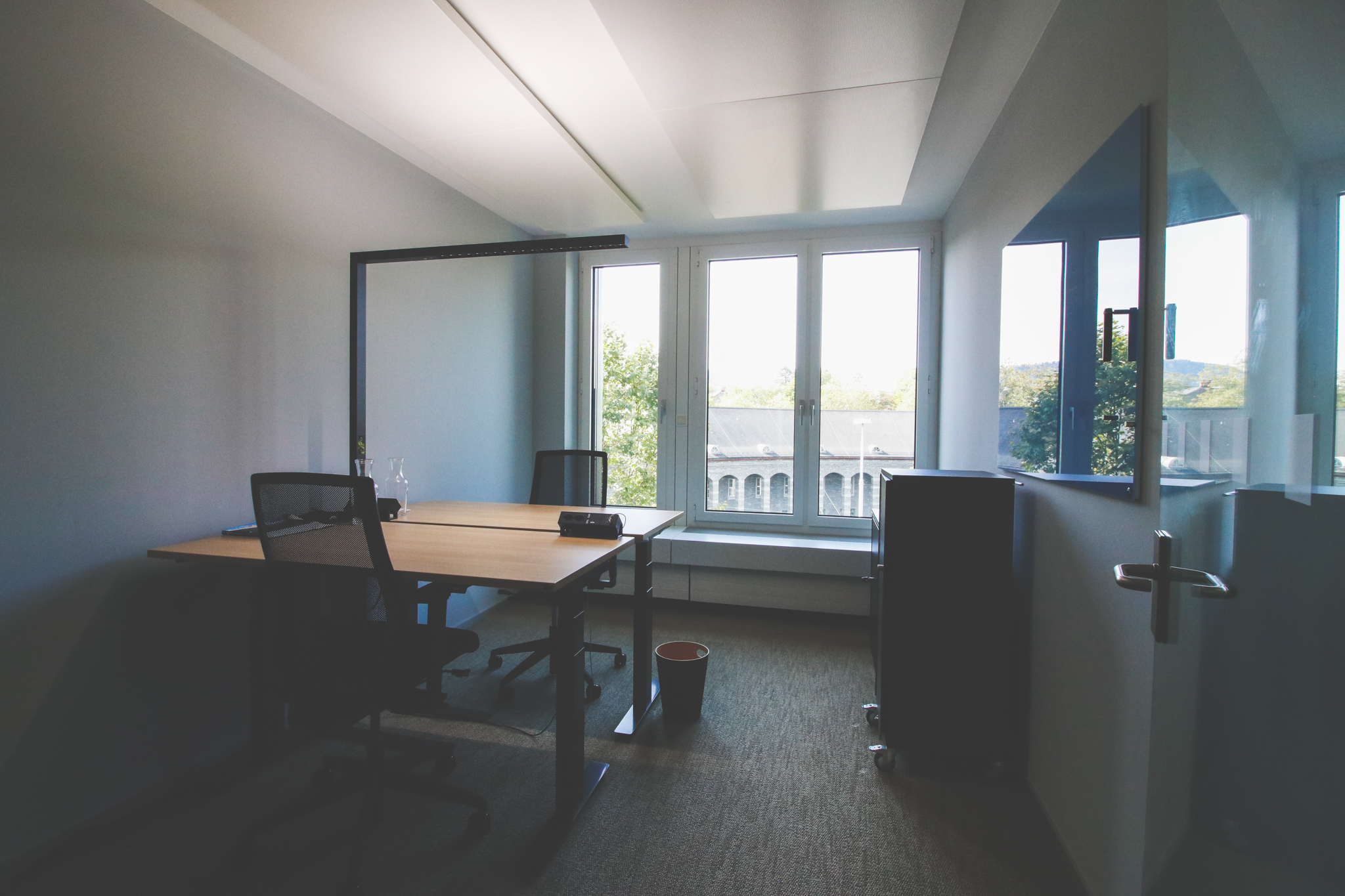
how the consulting firm benefits from this flexible model:
A perfect example of “coworking within coworking”.
- Maximum cost efficiency
They only pay for what they actually use - no empty desks. - Full flexibility
The office adapts to their daily reality, not the other way around. - Professional base
A central location for meetings, calls and client interactions. - Access to additional space when needed
Coworking areas and meeting rooms allow them to scale instantly.
Be part of our sme community.

Case 2: The Hybrid Team - Office + Weekly Anchor Moment
A growing SME with a core team of 4 people works regularly on-site. However, the full team of 10+ meets every Monday morning for alignment, planning and team exchange.
Instead of renting a large office for all employees, they combine a smaller office with on-demand meeting room usage.
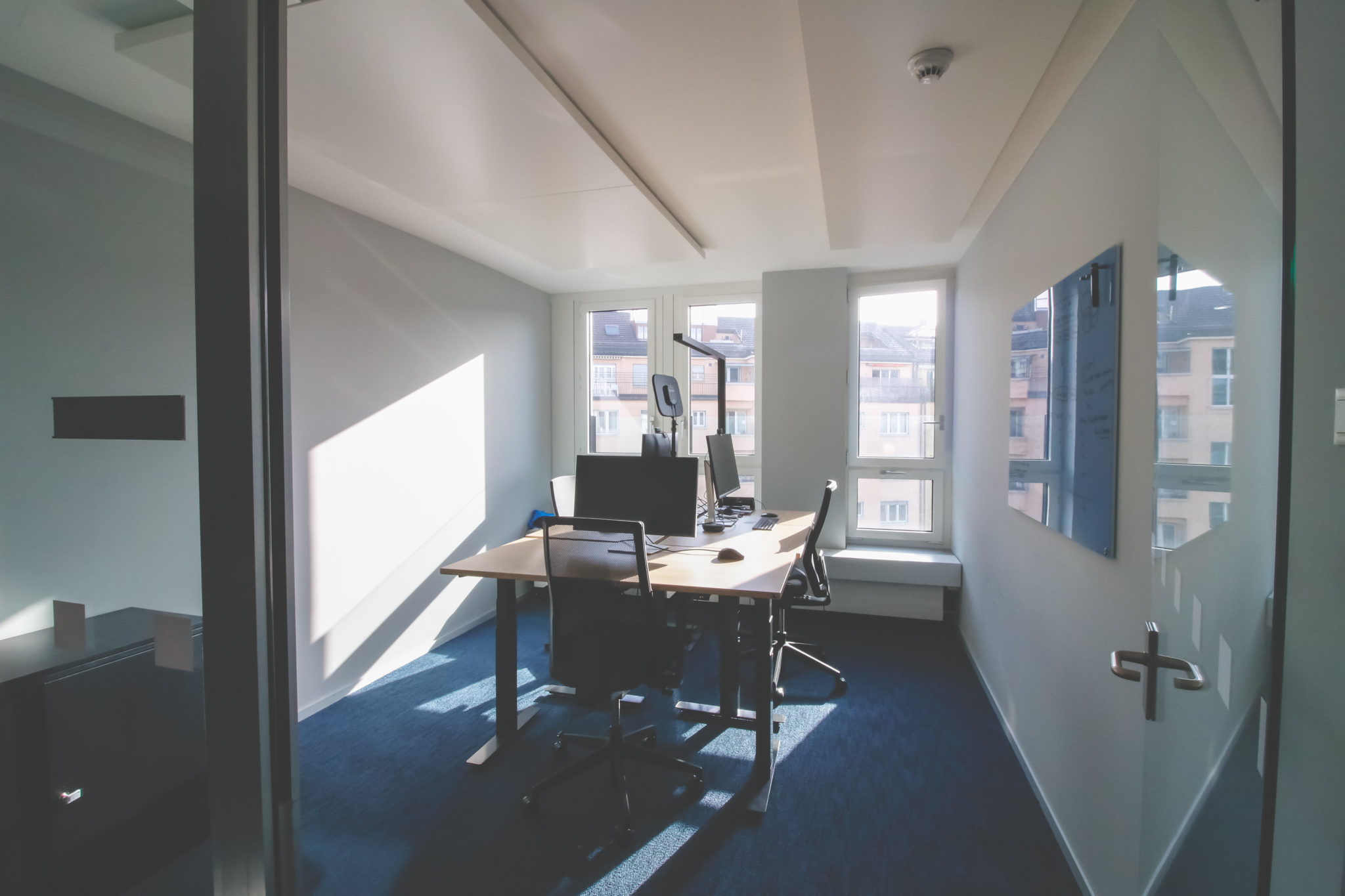
how the Swiss-wide firm benefits from this flexible model:
The office becomes a hub for key moments, not a fixed daily obligation.
- Efficient space usage
Daily operations run on a smaller footprint. - Scalability for team moments
Larger meeting rooms are booked when needed - no idle space. - Stronger team culture
Regular in-person meetings create alignment and connection. - Professional meeting setup
High-quality rooms for internal sessions and client presentations
Case 3: The International Hub - Zurich as a Base
A company with an international footprint uses Tessinerplatz as their Zurich base. Their local core team consists of 4 people, supported by 2 flexible workstations.
On a regular basis, team members from Switzerland and abroad come together for several days to collaborate, work intensively and meet clients.
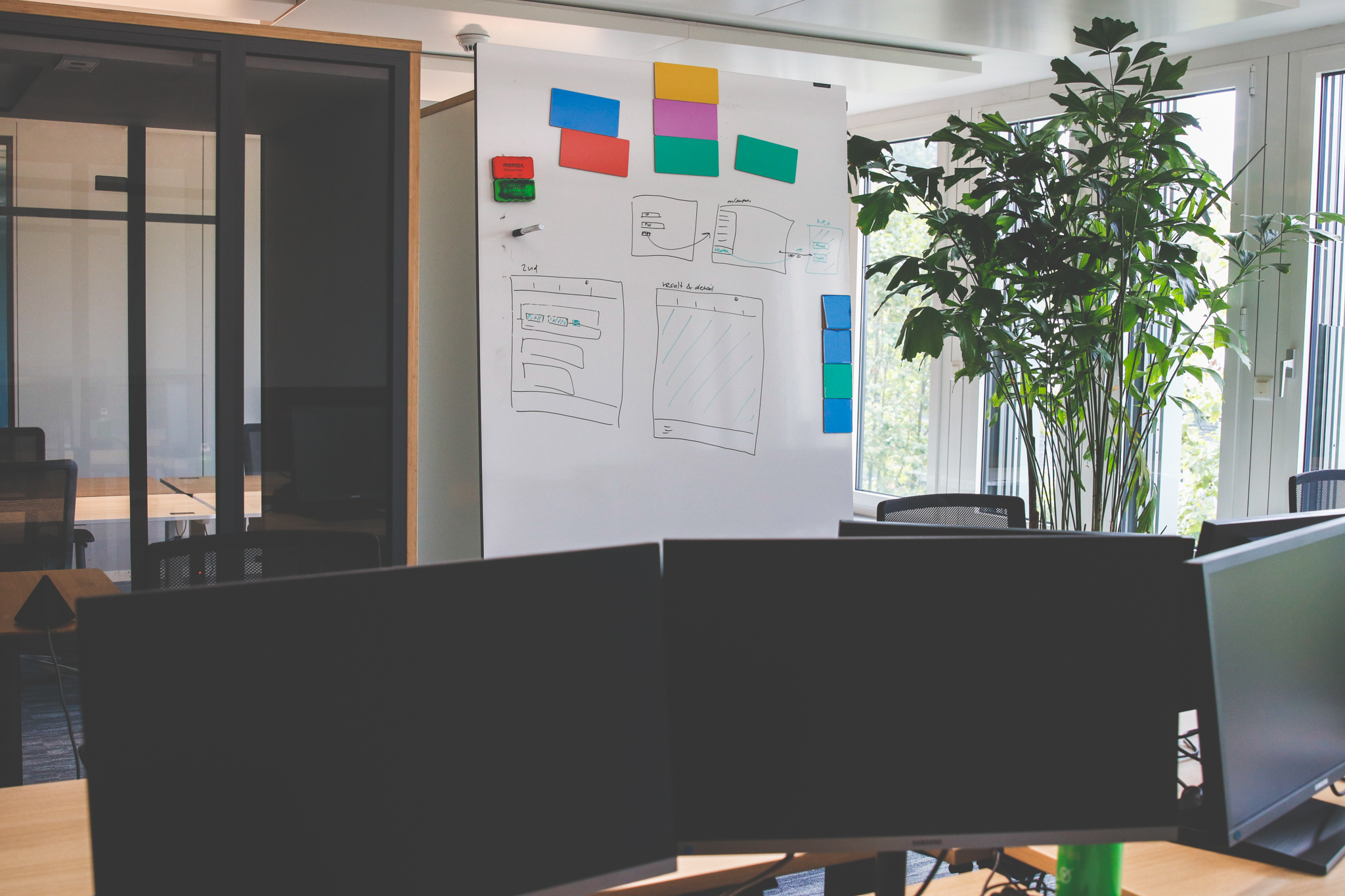
how the international firm benefits from this flexible model:
The office becomes a collaboration platform across locations.
- Flexible capacity for visiting teams
Additional desks and meeting rooms are available when needed. - Central, well-connected location
Easy access for international and local team members. - Seamless collaboration environment
Everything is ready — from infrastructure to meeting spaces. - No operational overhead
No need to manage office logistics for temporary team expansions.
Case 4: The professional Startup - Building Without Commitment
A startup in its early stage who wants to grow in a professional setup chose a flexible office setup from day one. With a small founding team and an uncertain growth trajectory, committing to a long-term lease simply didn’t make sense.
Instead, they use a small private office combined with access to shared infrastructure — giving them everything they need to build, meet and grow, without being locked in.
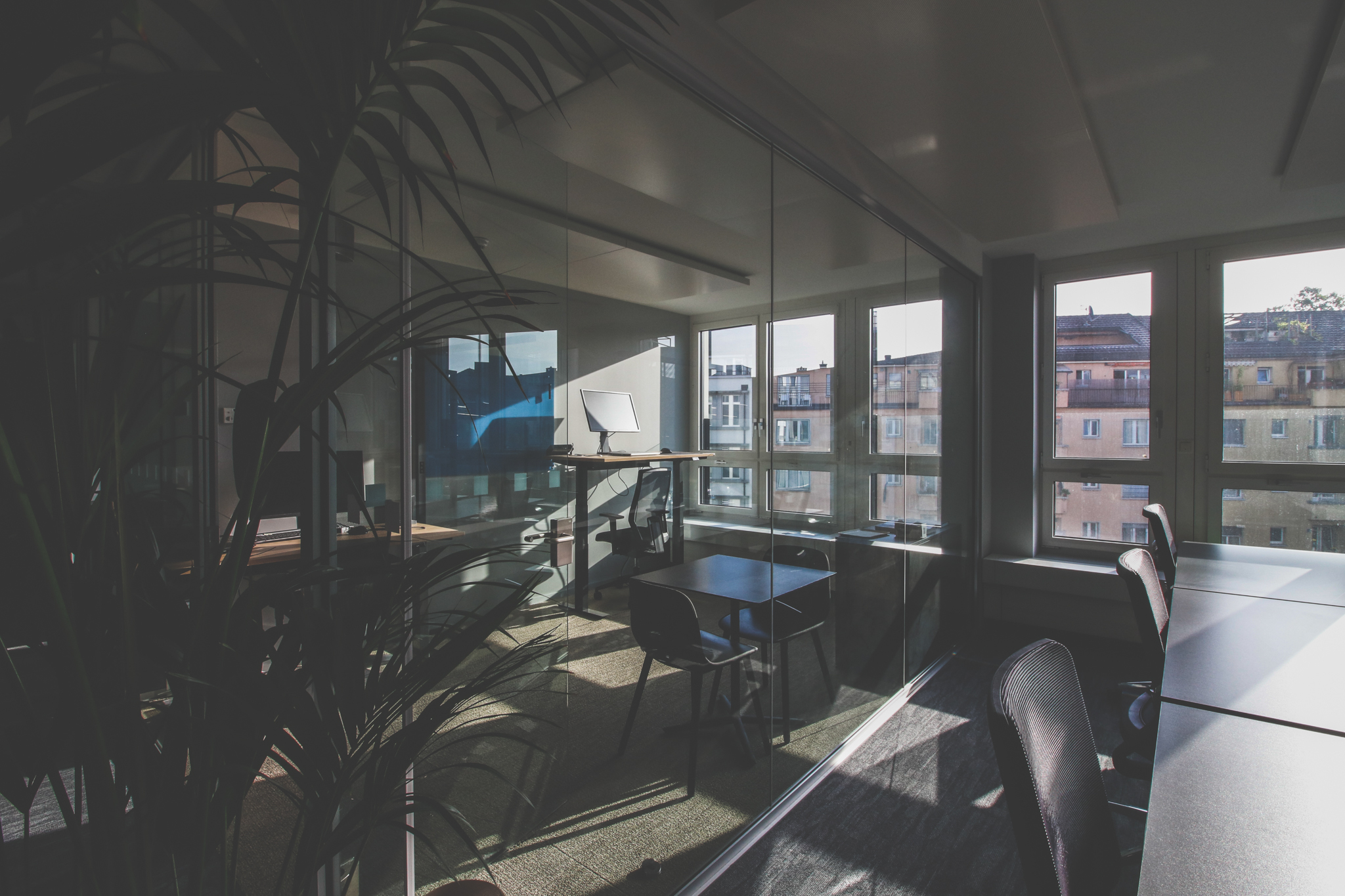
how the startup firm benefits from this flexible model:
For early-stage startups, flexibility isn’t just convenient - it’s critical.
- No long-term commitment
They stay flexible while validating their business model. - Professional setup from day one
Meeting rooms, reception and infrastructure create credibility with investors and partners. - Scalable as they grow
The office can easily expand as the team increases. - Focus on building, not managing
No time lost on office setup, operations or admin.
Conclusion
From flexible SME to hybrid setups, international hubs and early-stage startups - the four cases all show the same underlying principle: There is no “one-size-fits-all” office anymore. What they all have in common is not the size of the office, but the flexibility of the setup. Each company uses the space differently, depending on how, where and when their teams actually work.
Across all cases, a few key advantages stand out:
Cost efficiency through right-sized offices
Companies avoid paying for unused space and invest only in what they truly need.
Flexibility without long-term risk
Teams can grow, shrink or adapt their setup at any time.
Access to professional infrastructure
From meeting rooms to hosting and shared areas. Everything is ready when needed!
Focus on the core business
No time lost on office management, operations or setup.
Ultimately, the role of the office has changed. It is no longer a fixed place for daily presence but a platform for collaboration, connection and growth. And the companies that understand this are the ones building more efficiently, scaling faster and working smarter.
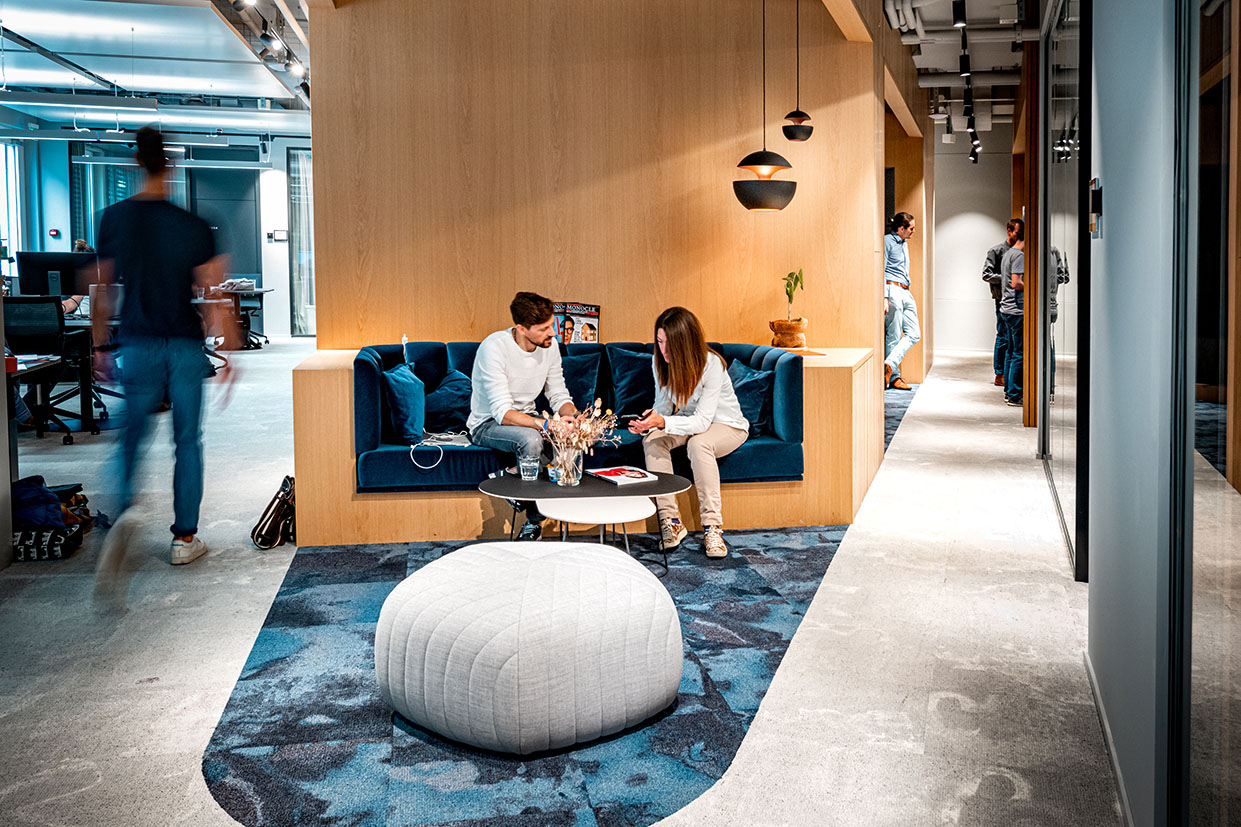
Der ideale Ort für kleine Unternehmen auf Wachstumskurs – KMUs und Startups

Die 5 besten workshop METHODEN

Externe MEETINGRÄUME Buchen: dIE 8 Grössten Vorteile iM Überblick
Join our community
Successful work often relies on strong networks. Our community provides you with the space to build them.


